
TMJ & Facial Pain Therapy
Botox
Botox Explained
Botox is increasingly used in dental practices for both therapeutic and cosmetic purposes. At Nova Dental Care of Vienna, we offer Botox treatments to address several conditions that benefit from this proven, FDA-approved medication. While Botox is most commonly associated with cosmetic facial treatments, dentists are uniquely qualified to administer it because of their detailed knowledge of facial anatomy, muscles, and function.
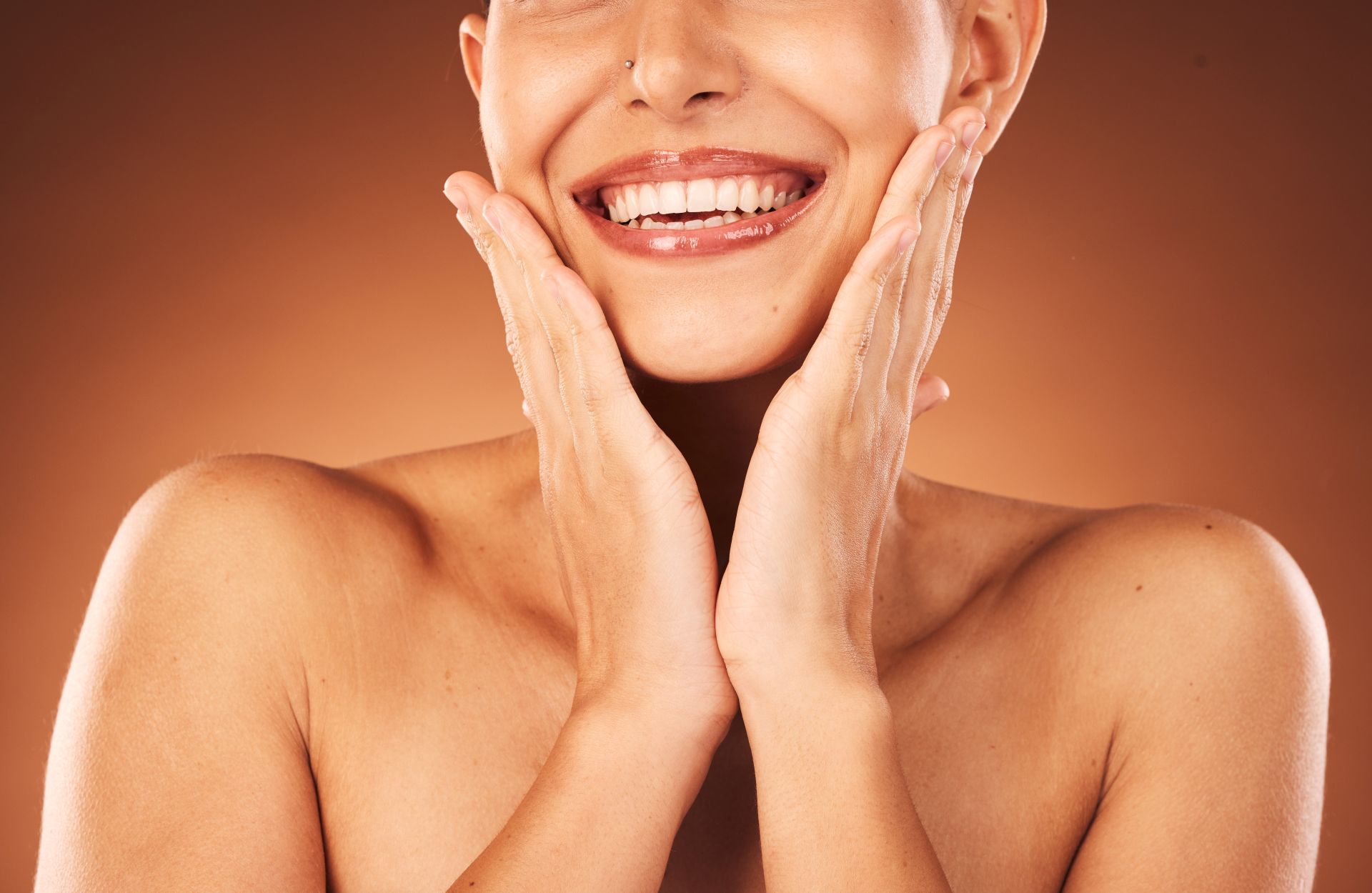
Therapeutic dental uses of Botox include treatment of TMJ disorders and chronic jaw pain, management of bruxism (teeth grinding and clenching), reduction of severe tension headaches and migraines, and treatment of certain facial pain conditions. By relaxing specific muscles, Botox can significantly reduce symptoms when other treatments haven't provided sufficient relief. Cosmetic uses include treatment of fine lines and wrinkles around the mouth, gummy smile correction, and lip contouring as part of a comprehensive smile makeover.
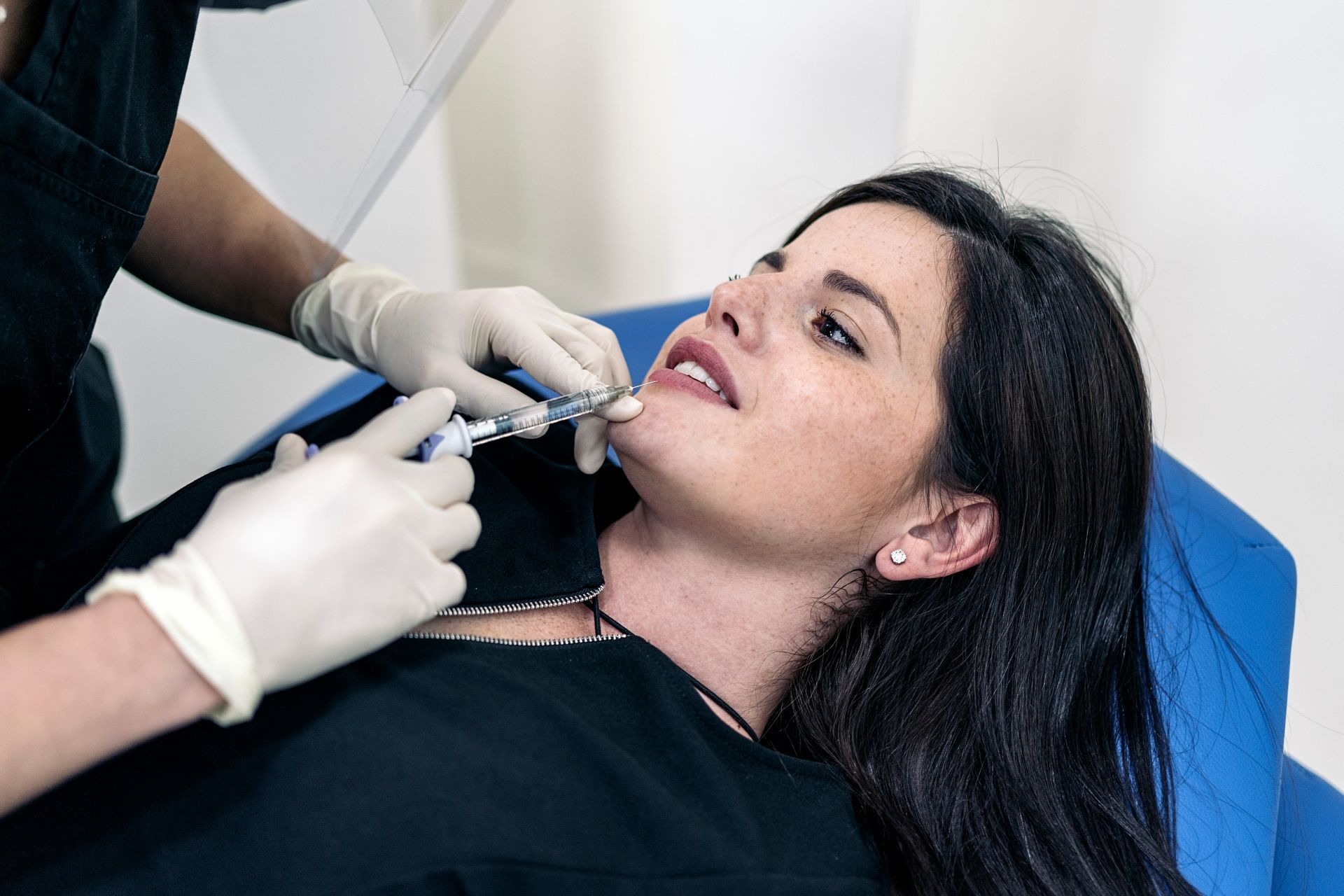
Botox treatments are quick, with most appointments taking 15 to 30 minutes. The medication is administered through small injections that target specific muscles. Results typically begin within a few days and reach full effect within 1 to 2 weeks. The effects last 3 to 6 months, after which retreatment is needed to maintain results. Side effects are generally minimal when administered by a qualified provider familiar with facial anatomy. Most patients return to normal activities immediately after the appointment.
Botox Approach
At Nova Dental Care of Vienna, we view Botox as another tool for addressing complex dental and facial issues. Our dentists complete specialized training in Botox administration and have a deep understanding of facial muscles and anatomy that translates well to safe, effective treatment.
We discuss your goals carefully, evaluate whether Botox is the right approach for your specific situation, and explain expected results, side effects, and costs before proceeding. For therapeutic uses like TMJ or bruxism, we typically combine Botox with other treatments like oral appliances and lifestyle modifications. For cosmetic uses, we take a conservative approach focused on natural-looking results that complement your smile.
Four simple steps, every time.
From the moment you sit down to the moment you leave, here's what a routine cleaning and exam looks like at our Chantilly office.
Consult
We discuss your goals, evaluate the muscles and anatomy involved, and confirm Botox is the right treatment for your specific case.
Plan
Treatment areas, dosing, and expected results are planned based on your individual anatomy and goals.
Inject
Small injections are administered to targeted muscles, typically taking 15 to 30 minutes total.
Maintain
Results emerge over 1 to 2 weeks and last 3 to 6 months, after which retreatment maintains the desired effect.
Botox FAQs
Dentists have detailed training in facial anatomy, muscles, and nerve pathways, making them uniquely qualified to administer Botox in the head and neck region. Many dentists complete additional specialized training in Botox administration. Botox has both therapeutic uses (TMJ, bruxism, headaches) and cosmetic uses (fine lines, gummy smile correction) that fit naturally within a dental practice.
Botox is typically priced per unit or per treatment area, with most cosmetic treatments costing $300 to $700 per session. Therapeutic uses for TMJ or bruxism may cost more because they typically require more units. Costs vary based on the specific treatment, dosing, and your provider. We discuss pricing transparently before treatment.
Botox has been FDA-approved for medical use since 1989 and cosmetic use since 2002. When administered by a qualified provider familiar with facial anatomy, it has an excellent safety profile. The most common side effects are mild and temporary, including injection site soreness and occasional bruising. Serious side effects are rare with proper administration.
Results typically last 3 to 6 months. The duration depends on factors including dosing, the muscles treated, your individual metabolism, and how active those muscles are. Patients who use the same muscles intensely (like bruxers using jaw muscles for clenching) may see results last shorter. With repeated treatments, some patients experience longer-lasting results over time.
Yes, Botox is an effective treatment for TMJ pain and bruxism that hasn't responded adequately to conservative treatment. By relaxing the masseter and other jaw muscles, Botox reduces clenching force and grinding intensity, providing relief from pain and protecting teeth from damage. Many patients use Botox in combination with custom oral appliances for comprehensive treatment.
Therapeutic Botox for TMJ or bruxism is dosed to relax muscle activity without significantly affecting facial appearance. Some patients experience subtle facial slimming as overactive jaw muscles relax over time, which most consider a positive cosmetic side effect. Cosmetic Botox is dosed and placed specifically for aesthetic effect and produces visible changes by intent.
Most patients describe the discomfort as similar to a quick pinch. The injections use very fine needles and treatment is typically completed in under 30 minutes. Topical anesthetic or ice can be applied for patients with sensitivity. There's typically no downtime and patients return to normal activities immediately.
Initial effects typically appear within 3 to 7 days. Full effect develops over 1 to 2 weeks. For therapeutic uses like TMJ, symptom relief often begins quickly and continues to improve as the medication takes full effect. For cosmetic uses, the gradual onset means there's no sudden change in appearance.
Common side effects are mild and temporary, including injection site soreness, mild bruising, or occasional headache. More significant side effects are rare and typically associated with improper administration. We discuss potential side effects in detail before treatment so you have realistic expectations and know what to watch for.