Dental Implants
Implant-Supported Teeth
Implant-Supported Teeth Explained
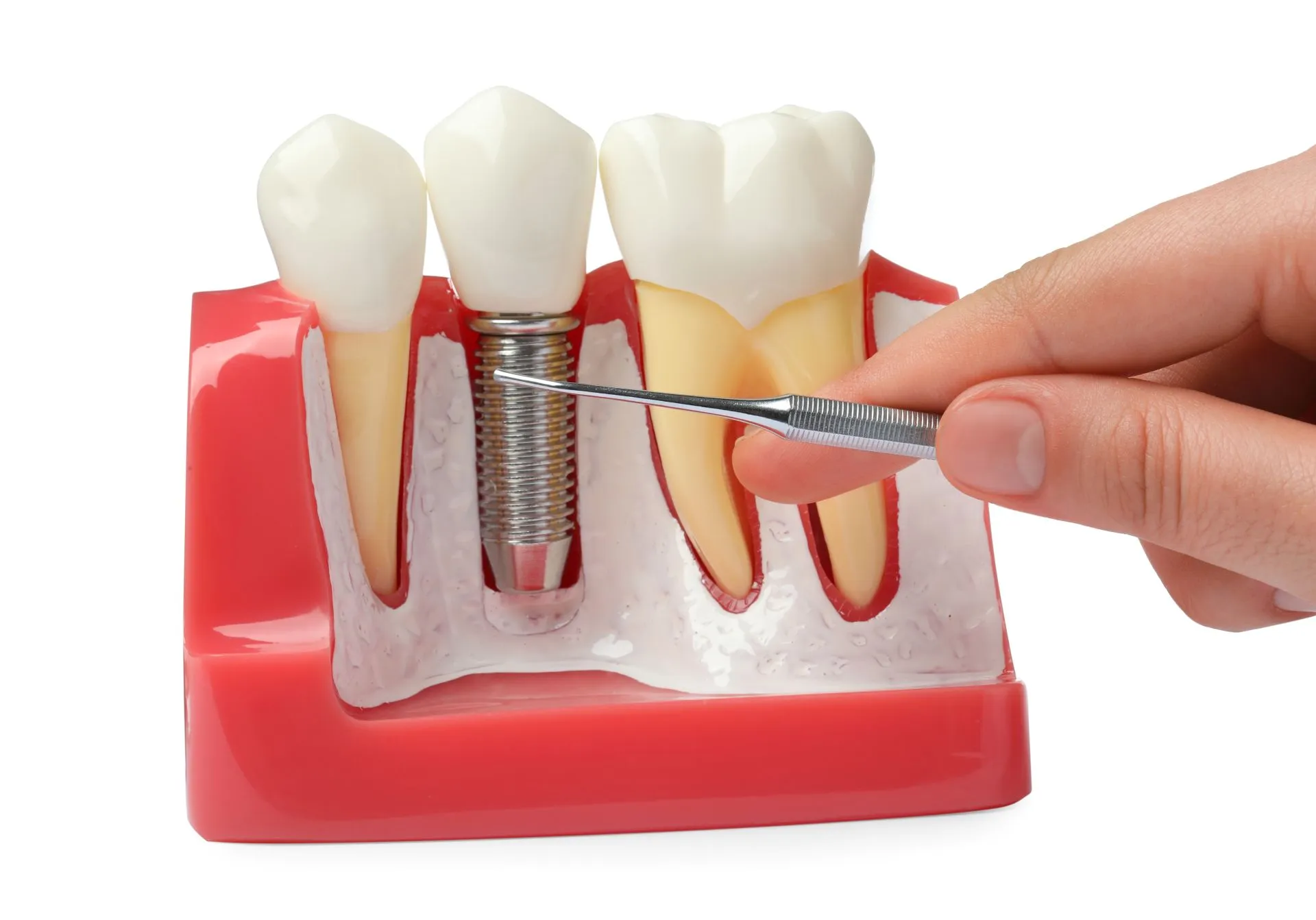
Implant-supported teeth replace multiple missing teeth, or a full arch, using dental implants as a stable foundation rather than relying on the gums or remaining teeth for support. Instead of one implant per tooth, a small number of strategically placed implants can support a fixed bridge or a full set of teeth, restoring the look, feel, and function of natural teeth. This approach is often referred to as full-arch restoration or by treatment names such as All-on-4. At Nova Dental Care of Vienna, implant-supported teeth offer a life-changing option for patients who have lost many teeth or who are tired of loose, uncomfortable dentures. Because the replacement teeth are anchored to implants fused with the jawbone, they do not slip, click, or require adhesives, and they let you eat the foods you love and speak and smile with confidence. Implant-supported teeth also help preserve the jawbone, which naturally shrinks when teeth are missing. Treatment is customized to your needs, ranging from an implant-supported bridge that replaces several teeth in a row to a complete fixed or removable full-arch solution. The result is a permanent, secure, and natural-looking restoration designed to last.
Implant-Supported Teeth Approach
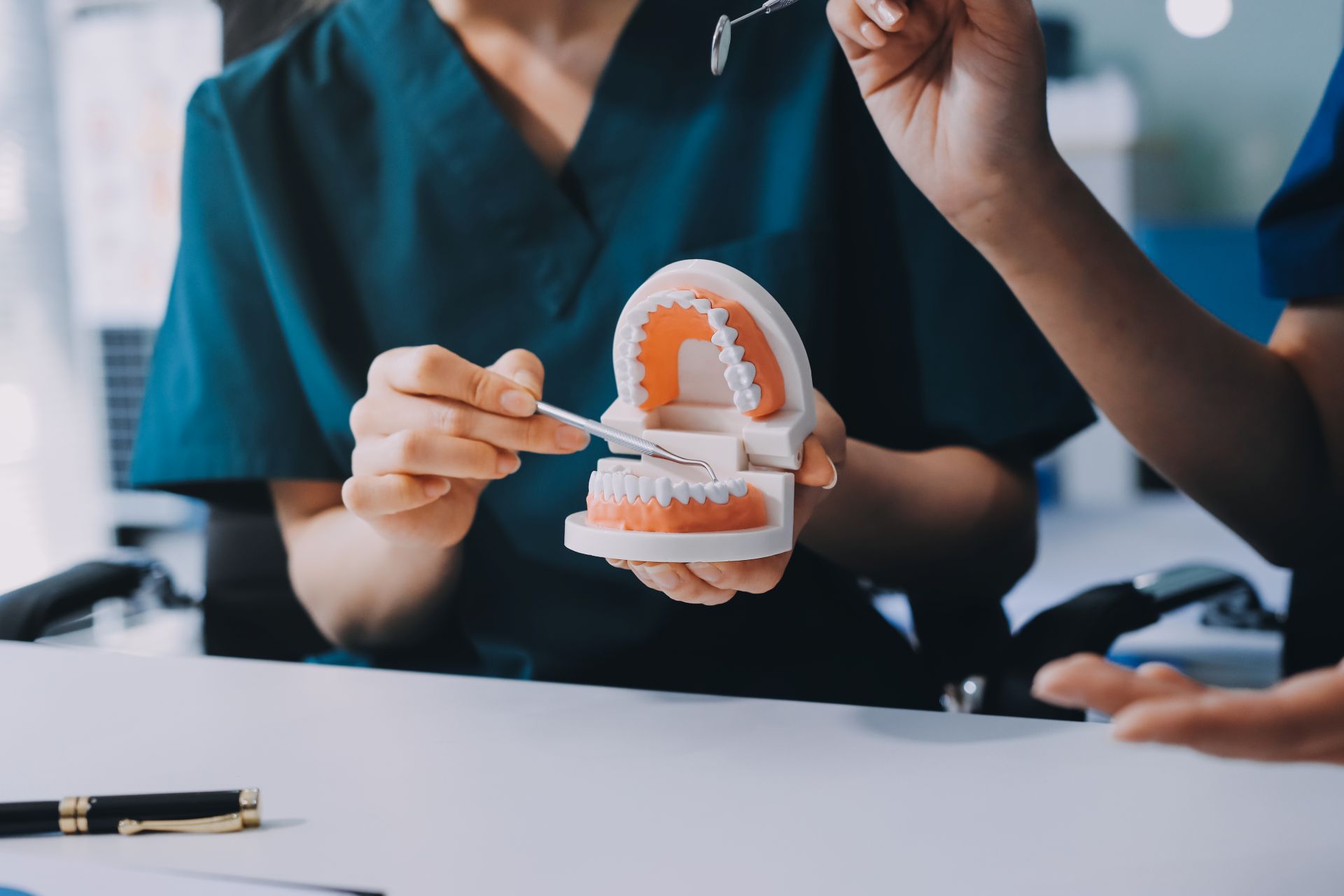
At Nova Dental Care of Vienna, we treat full-arch restoration as a transformation, not just a procedure. We start by understanding how missing teeth are affecting your eating, speaking, and confidence, then build a plan around the outcome you want. We use detailed imaging to plan implant placement precisely and coordinate every stage so the process is as smooth and predictable as possible. Throughout treatment, we keep you comfortable and informed, and we make sure your new teeth fit, function, and look exactly the way they should before we consider the job done.

Four simple steps, every time.
From the moment you sit down to the moment you leave, here's what a routine cleaning and exam looks like at our Chantilly office.
Plan
We take 3D scans and evaluate your jawbone to design the precise number and position of implants needed to support your new teeth, and preview your final result.
Place
The implants are placed into the jawbone during a planned surgical appointment. In many cases, a temporary set of teeth can be attached the same day.
Heal
Over several months the implants fuse with the bone in a process called osseointegration, creating a permanent, stable anchor for your final teeth.
Restore
Once healed, your custom final bridge or full-arch prosthesis is attached, delivering teeth that look natural, feel secure, and function like your own.
Implant-Supported Teeth FAQs
Implant-supported teeth are replacement teeth, such as a bridge or full arch, that are anchored to dental implants rather than resting on the gums. A few implants support many teeth, giving you a stable, fixed solution that looks and functions like natural teeth. They are a common choice for replacing several teeth or a complete arch.
Osseointegration is the natural process by which the titanium implant fuses with the surrounding jawbone over a period of months. This biological bond is what gives implant-supported teeth their exceptional stability and durability. It is why a few implants can reliably support a full set of teeth and why proper healing time is important before placing the final restoration.
Traditional dentures rest on the gums and can slip, click, or require adhesive. Implant-supported teeth are anchored to implants fused with the jawbone, so they stay firmly in place. This means more comfortable eating, clearer speech, and no adhesives. Implant-supported options also help preserve jawbone, which dentures alone do not.
Full-arch implant solutions are a significant investment, often ranging from $20,000 to $50,000 per arch depending on the number of implants, the materials, and whether any preparatory procedures like bone grafting are needed. Implant-supported bridges replacing fewer teeth cost less. We provide a detailed, personalized estimate after your consultation and can discuss financing options.
The procedure is performed with anesthesia and sedation options so you are comfortable throughout. Most patients report that post-surgical discomfort is more manageable than they expected and is well controlled with prescribed or over-the-counter medication. Mild swelling and soreness for a few days is normal and typically resolves within a week.
In many cases, yes. A common approach allows a temporary fixed set of teeth to be attached the same day the implants are placed, so you leave with a complete smile. The permanent, final teeth are placed after the implants have fully healed and integrated with the bone, usually a few months later.
The implants themselves can last a lifetime with proper care, as they are made of biocompatible titanium that fuses with bone. The attached teeth or prosthesis may need maintenance or replacement after 10 to 15 years due to normal wear. Good oral hygiene and regular dental visits are key to maximizing their lifespan.
Most adults missing several teeth or a full arch are candidates, including many current denture wearers. Adequate jawbone is needed to support the implants, though bone grafting can build up areas that have shrunk. We evaluate your bone, gum health, and overall health during a consultation to confirm candidacy and design the right plan.
Care is similar to natural teeth. Brush daily, clean around and beneath the prosthesis as we show you, and use any recommended cleaning aids such as a water flosser. Regular dental checkups allow us to professionally clean the restoration and check the health of the implants and surrounding tissue. Good maintenance keeps everything healthy and lasting.
Yes. Implant-supported teeth are custom designed to match your facial features, desired shade, and natural proportions. Modern materials closely mimic the look of natural enamel and gum tissue. Many patients say their restored smile looks better than their natural teeth did before treatment, while feeling secure and comfortable.