
Sedation & Additional Services
Sedation Dentistry
Sedation Dentistry Explained
Sedation dentistry uses safe, controlled medication to help patients feel calm and comfortable during dental treatment. For people who experience dental anxiety, have a strong gag reflex, struggle to get numb, or simply face a long or complex procedure, sedation can transform the experience from stressful to relaxed. At Nova Dental Care of Vienna, we offer multiple levels of sedation so we can match the right option to your needs and the treatment planned, from light relaxation that wears off in minutes to deeper sedation for more involved procedures. Sedation does not replace local anesthesia, which numbs the specific area being treated; instead, it works alongside it to ease anxiety and help time pass comfortably. Patients often describe feeling at ease, unbothered, and sometimes with little memory of the appointment afterward. All sedation is carefully monitored throughout your visit for safety. Whether you have avoided the dentist for years out of fear or just want a calmer experience, sedation dentistry makes it possible to get the care you need comfortably. Below are the sedation options we offer and how each one works.
Sedation Dentistry Approach
At Nova Dental Care of Vienna, we believe fear should never stand between you and a healthy smile. We take time to understand your concerns and medical history, then recommend the gentlest level of sedation that will keep you comfortable for your specific treatment. We explain how you will feel, how long it lasts, and what to expect afterward, so there are no surprises. Your safety is our priority, which is why we monitor you closely throughout and never rush the process. Our aim is simple: care that feels easy.
Three Options,
One Best Choice.
From the moment you sit down to the moment you leave, here's what a routine cleaning and exam looks like at our Chantilly office.
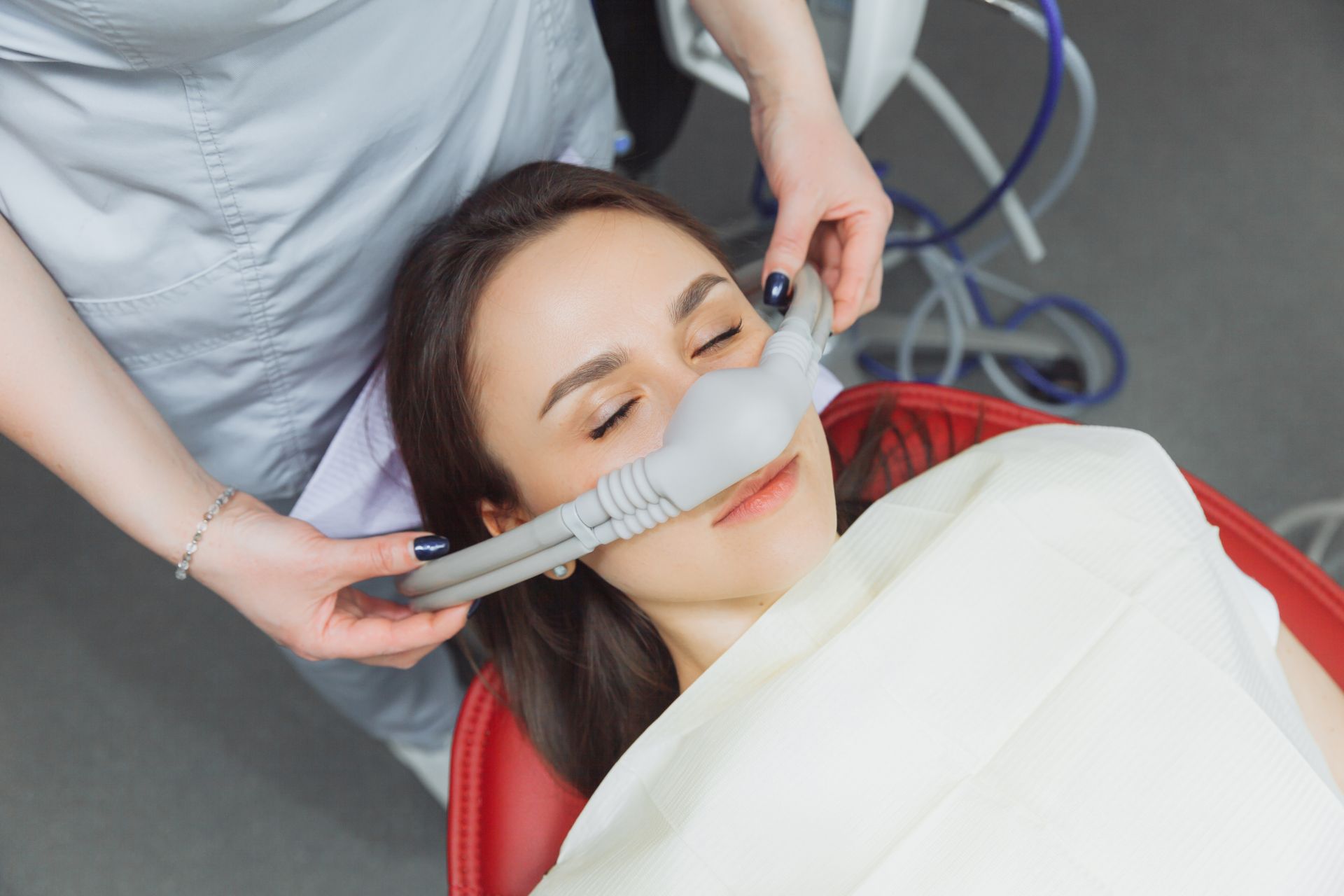
Nitrous Oxide (Laughing Gas)
Nitrous oxide is a mild, inhaled sedative delivered through a small mask over the nose. It produces a light, pleasant sense of relaxation while you remain fully awake and able to respond. Its biggest advantage is how quickly it works and how fast it wears off, allowing most patients to drive themselves home after the appointment. It is an excellent option for mild anxiety and routine procedures, and can be adjusted throughout the visit for comfort.
Oral / IV Sedation
For moderate to higher anxiety or longer procedures, deeper sedation is available. Oral sedation involves taking prescribed medication before your appointment to produce a deeper state of relaxation, while IV sedation is delivered directly into the bloodstream for a more profound and precisely controlled effect. Patients are typically very relaxed, drowsy, and often remember little of the procedure. These options require someone to drive you home and are monitored closely throughout.
General Anesthesia
For the most complex cases, very high anxiety, or specific patient needs, general anesthesia provides complete unconsciousness during treatment. This is administered and monitored with a partnering anesthesiologist to ensure the highest level of safety. It is reserved for situations where it is the most appropriate choice and is always planned carefully with your health and comfort as the priority.