
Restorative Dentistry
Bridges
Bridges Explained
A dental bridge is a fixed restoration that replaces one or more missing teeth by anchoring a replacement tooth (called a pontic) between two crowns placed on the adjacent natural teeth. At Nova Dental Care of Vienna, bridges are used to restore both function and appearance after tooth loss, allowing patients to chew, speak, and smile confidently again. Unlike removable partial dentures, a bridge is cemented permanently in place and stays in your mouth at all times.
There are several types of dental bridges. Traditional bridges, the most common type, use crowns on the teeth on either side of the gap to support a pontic in the middle. Cantilever bridges are anchored on only one side and are used in specific situations where there's only one natural tooth available. Maryland bridges use a metal or porcelain framework bonded to the back of adjacent teeth, preserving more of the natural tooth structure. Implant-supported bridges anchor to dental implants instead of natural teeth and are an excellent option when multiple adjacent teeth are missing.
When teeth are missing, the surrounding teeth often shift over time, which can cause bite problems, gum disease, and additional tooth loss. Replacing missing teeth with a bridge stops this shift and protects your long-term oral health. The bridge procedure typically takes two appointments. The first prepares the supporting teeth and takes impressions, and the second places the permanent bridge. With proper care, a dental bridge typically lasts 10 to 15 years and often longer.
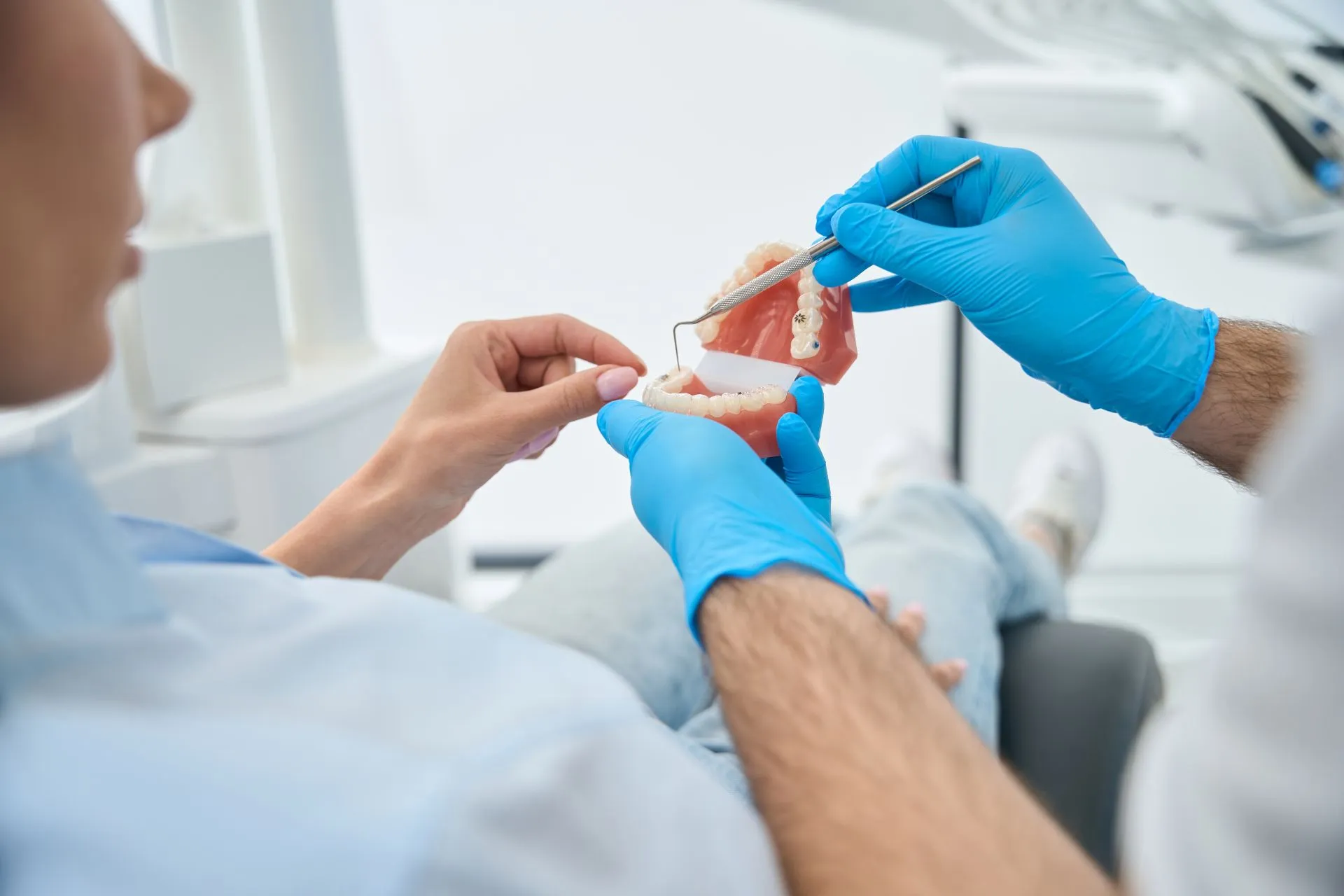
Bridges Approach
Replacing a missing tooth is about more than aesthetics. Untreated tooth loss leads to bone loss, shifting teeth, and bite problems that can cascade into bigger issues. At Nova Dental Care of Vienna, we evaluate every missing-tooth case carefully, taking time to discuss the trade-offs between bridges, implants, and partial dentures so you can make an informed decision based on your unique situation, budget, and goals.
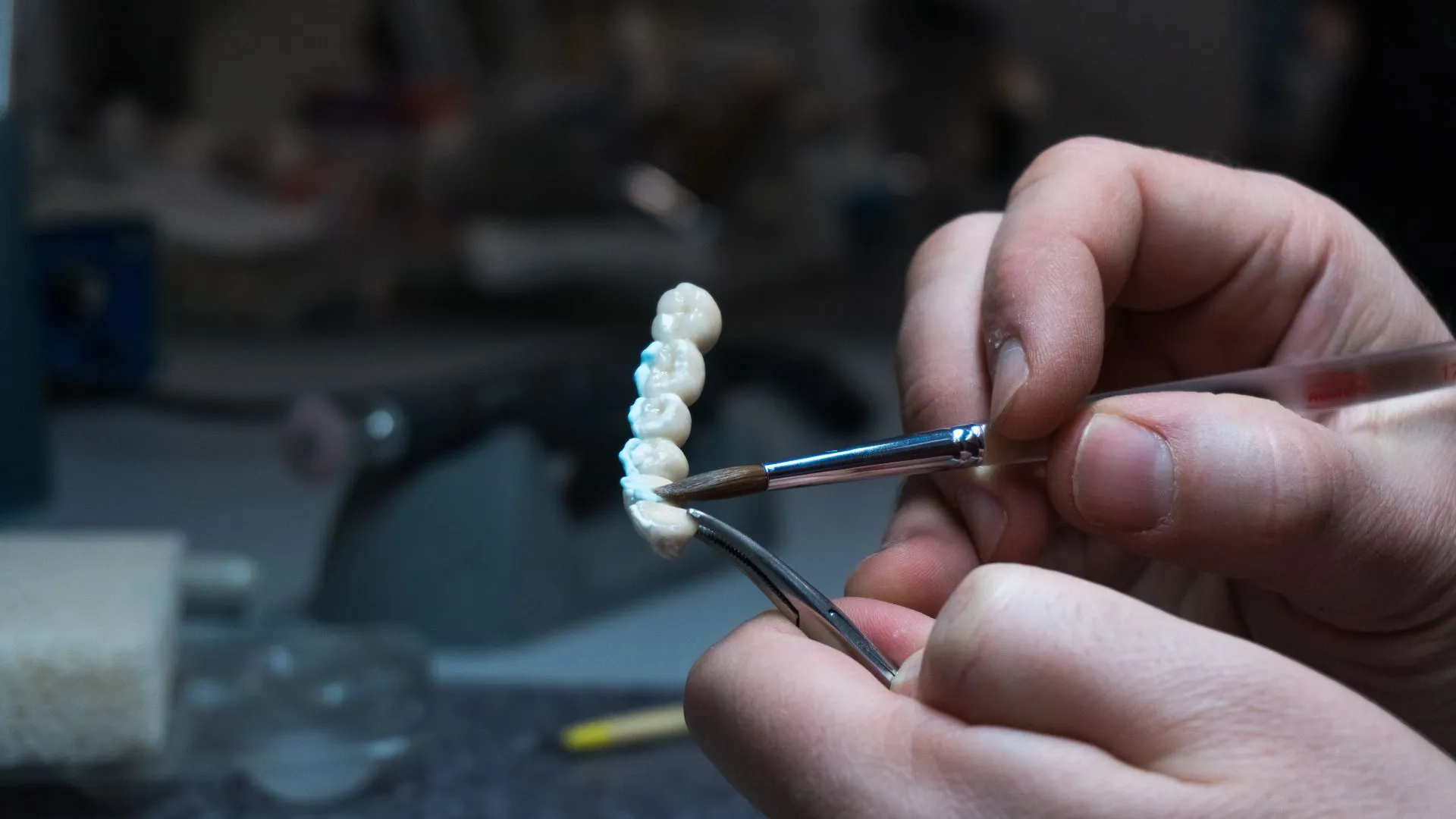
When a bridge is the right choice, we focus on conservative preparation of the supporting teeth, accurate impressions, and high-quality lab work that produces a restoration that looks and functions like natural teeth. We also spend time teaching you how to clean around and under your bridge, because proper home care is the single biggest factor in how long your bridge lasts.
Four simple steps, every time.
From the moment you sit down to the moment you leave, here's what a routine cleaning and exam looks like at our Chantilly office.
Review
We evaluate the missing tooth area, surrounding teeth, gums, and bone structure to determine whether a bridge is the best replacement option for you.
Prepare
The supporting teeth on either side of the gap are gently shaped under local anesthesia to receive crowns, and an impression captures the area.
Place
A custom-made bridge is permanently cemented in place, restoring full chewing function and a complete-looking smile.
Stabilize
Specialized cleaning techniques and regular dental visits keep the bridge and supporting teeth healthy for many years.
Bridges FAQs
Dental bridges typically last 10 to 15 years with proper care, and many last considerably longer. Longevity depends on oral hygiene, the health of the supporting teeth, and habits like grinding. The bridge itself can last decades, but the supporting teeth must remain healthy for the bridge to stay in place, which is why regular dental visits are essential.
A traditional 3-unit dental bridge typically costs between $2,500 and $5,500, depending on materials and case complexity. Implant-supported bridges cost significantly more, generally $5,000 to $15,000 or more. Most insurance plans cover a portion of the cost when the bridge is medically necessary, often 50% after the deductible.
Yes, most patients can return to a normal diet within a few days of getting a bridge. There may be a brief adjustment period as you get used to the feel of the new restoration, and we recommend avoiding sticky or very hard foods initially. Once adjusted, you can eat virtually anything you ate before, with the exception of habits like chewing ice.
Cleaning under a bridge requires special tools because traditional flossing won't work. A floss threader or specialized bridge floss allows you to slide floss under the pontic and clean the space between the bridge and your gums. Water flossers are also extremely effective. We teach you the proper technique at the bridge placement appointment.
No, traditional dental bridges are fixed restorations that are cemented permanently to the supporting teeth. They are not removable by the patient. This is one of the major advantages of bridges over partial dentures, which must be removed daily for cleaning. Only your dentist can remove a bridge if necessary.
Alternatives include dental implants, partial dentures, and in some cases leaving the gap untreated (though this is not usually recommended). Dental implants are often considered the gold standard because they don't require modifying adjacent teeth and they preserve bone in the area. Partial dentures are more affordable but less stable. We discuss all options at your consultation.
Most patients adjust to a bridge within a few days. Once adjusted, the bridge feels comfortable and functions much like natural teeth. There may be slight differences when chewing certain foods, but speech, smile, and most daily activities feel completely normal. Modern bridges are designed for both function and comfort.
Bridges require the supporting teeth to be reshaped to receive crowns, which removes some natural tooth structure. While this is a permanent modification, it's necessary to provide stable support for the bridge. The supporting teeth are then protected by the crowns and typically remain healthy for many years. Dental implants are an alternative that doesn't require modifying adjacent teeth.
Most dental insurance plans cover bridges when they're medically necessary to replace a missing tooth. Coverage typically ranges from 50% to 80% of the cost after the deductible, up to your annual maximum. Some plans have a missing tooth clause that may exclude coverage if the tooth was lost before the policy began. We verify benefits before treatment.