
Extractions & Oral Surgery
Frenectomy and Soft Tissue
Frenectomy and Soft Tissue Explained
Frenectomy and soft tissue surgery cover a range of minor oral surgical procedures that treat the gums, the small bands of tissue inside the mouth, and other soft tissues, as well as helping teeth that are stuck below the gum line come into place. These procedures are typically quick, performed in-office, and resolve problems that affect feeding, speech, oral hygiene, comfort, or the proper eruption of teeth. At Nova Dental Care of Vienna, we provide gentle, precise soft tissue procedures for both children and adults. A frenectomy releases a tight or restrictive frenum, the band of tissue that connects the lip or tongue to the gums, which can cause tongue-tie or lip-tie. Exposure of an impacted tooth is a procedure that uncovers a tooth trapped beneath the gum, often as part of orthodontic treatment to guide it into position. Other soft tissue surgery addresses overgrown, irregular, or problematic gum and oral tissue. Many of these procedures can be performed with a laser or with traditional surgical techniques, and most heal quickly with minimal discomfort. Whether the goal is to help an infant feed, support a child's orthodontic treatment, or improve an adult's comfort and function, these procedures are safe, common, and effective. Below are the specific procedures included in this category.

Frenectomy and Soft Tissue Approach
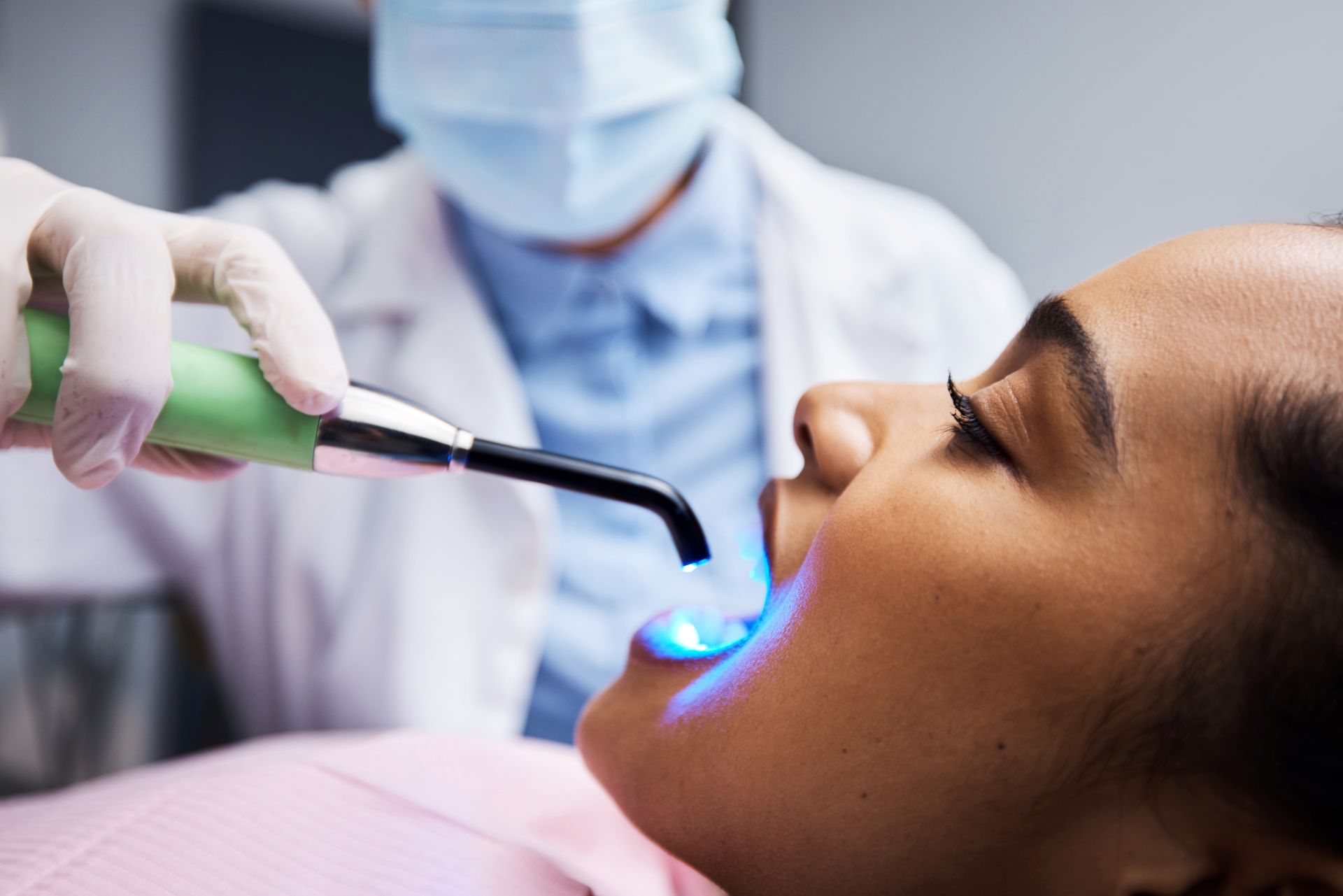
At Nova Dental Care of Vienna, we treat these as small procedures with a meaningful impact on comfort, function, and development. We take time to evaluate whether a procedure is truly needed and explain why, so families never feel rushed into treatment. We use gentle techniques, including laser when appropriate, to minimize discomfort and speed healing, and we provide clear aftercare guidance and any recommended follow-up, such as exercises or therapy. Our priority is a comfortable experience and a result that genuinely improves feeding, speech, hygiene, or tooth position.
Four simple steps, every time.
From the moment you sit down to the moment you leave, here's what a routine cleaning and exam looks like at our Chantilly office.
Frenectomy (Lip Tie & Tongue Tie)
A frenectomy releases or modifies a frenum, the small band of tissue connecting the lip or tongue to the gums. A restrictive frenum can cause tongue-tie or lip-tie, leading to feeding difficulty in infants, speech or hygiene challenges in children, and discomfort in adults. The procedure is brief, often performed with a laser, and most patients heal within one to two weeks.
Exposure of Impacted Teeth
When a tooth is trapped beneath the gum and cannot erupt on its own, often a canine, a minor surgical procedure uncovers it so it can come into position. This is frequently done in coordination with orthodontic treatment, where a bracket is attached to gently guide the tooth into the arch. It helps preserve the natural tooth rather than losing it.
Soft Tissue Surgery
Soft tissue surgery addresses overgrown, irregular, or problematic gum and oral tissue. This can include removing excess tissue, reshaping gums, or treating other soft tissue concerns that affect comfort, function, or oral health. These procedures are typically quick, gentle, and often performed with a laser for precision and faster healing.